
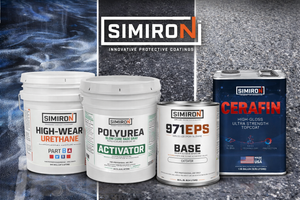
Simiron Top Coat Differences: Which One Is Right for Your Epoxy Flooring Project?
Posted by Hector De Leon on Mar 30th 2026
Choosing the right top coat is one of the most important decisions when installing an epoxy flooring system. The top coat determines durability, gloss level, chemical resistance, UV stability, and overall performance.
Simiron offers several high-performance top coats designed for different environments and finishes. In this guide, we’ll break down the key differences between the most popular Simiron top coats and help you decide which one is right for your project.
Why the Top Coat Matters
The top coat is the final protective layer of your epoxy floor system. It is responsible for:
• Protecting against abrasion and wear
• Resisting chemicals and stains
• Providing UV stability (preventing yellowing)
• Controlling gloss and appearance
• Extending the life of the floor
Choosing the wrong top coat can lead to premature wear, discoloration, or costly repairs.
Simiron Top Coat Options Explained
1. Simiron High-Wear Urethane
Best For:
• Commercial spaces
• Warehouses
• High-traffic areas
• Garages with heavy use
Key Features:
• Excellent abrasion resistance
• Strong chemical resistance
• Satin to semi-gloss finish
• Durable and long-lasting
Pros:
✔ Handles heavy foot and vehicle traffic
✔ Great for industrial environments
✔ Tough protective layer
Cons:
❌ Not as high-gloss as other systems
❌ Slightly more complex (3-component system)
2. Simiron Polyaspartic Top Coat
Best For:
• Fast-turnaround projects
• Residential garages
• Flake flooring systems
Key Features:
• Fast cure time (same-day return to service)
• UV stable (won’t yellow)
• High gloss finish
• Excellent durability
Pros:
✔ Quick installation
✔ Great for flakes and decorative systems
✔ Excellent UV resistance
Cons:
❌ Short working time (requires experience)
❌ Can be more sensitive during application
3. Simiron 971EPS (Epoxy Top Coat)
Best For:
• Metallic epoxy floors
• Decorative interior applications
Key Features:
• Deep, rich gloss finish
• Enhances metallic effects
• Good chemical resistance
Pros:
✔ Creates a “wet look” finish
✔ Ideal for showroom or residential interiors
✔ Easy to work with
Cons:
❌ Not UV stable (can amber over time)
❌ Not ideal for outdoor use
4. Simiron Cerafin Top Coat
Best For:
• High-end residential floors
• Showrooms
• Decorative metallic systems
Key Features:
• Ultra high-gloss finish
• Nano-technology formulation
• UV protection
• Superior clarity
Pros:
✔ Extremely high gloss and clarity
✔ UV resistant
✔ Premium finish quality
Cons:
❌ More premium pricing
❌ Not designed for heavy industrial abuse
Side-by-Side Comparison
|
Top Coat |
Gloss Level |
UV Resistance |
Durability |
Best Use |
|
High-Wear Urethane |
Medium |
Good |
Excellent |
Commercial / Industrial |
|
Polyaspartic |
High |
Excellent |
Excellent |
Flake floors / Fast installs |
|
971EPS |
Very High |
Low |
Moderate |
Metallic floors (indoor) |
|
Cerafin |
Ultra High |
Excellent |
High |
Decorative / Showroom |
Which Simiron Top Coat Should You Choose?
Choose High-Wear Urethane if:
• You need maximum durability
• The space has heavy traffic or equipment
Choose Polyaspartic if:
• You want fast installation
• You’re doing a flake floor system
• UV stability is important
Choose 971EPS if:
• You’re installing a metallic epoxy floor
• The project is indoors only
• You want deep gloss and visual effects
Choose Cerafin if:
• You want a premium, high-gloss finish
• UV resistance matters
• It’s a decorative or residential space
Final Thoughts
There is no “one-size-fits-all” top coat. The right choice depends on:
• Traffic level
• Indoor vs outdoor exposure
• Desired appearance
• Installation timeline
Simiron offers a complete system so you can match the right top coat to the right application, ensuring long-lasting performance and a professional finish.