
How to Properly Prep a Concrete Floor for Epoxy Coating Adhesion
Posted by John Smith on Jan 13th 2026
Applying an epoxy coating to a concrete floor can dramatically improve durability, appearance, and chemical resistance—but only if the surface is prepared correctly. Improper concrete prep is the number one cause of epoxy coating failure, leading to peeling, bubbling, or delamination.
This guide walks through the essential steps to properly prepare a concrete floor to ensure strong adhesion and long-lasting epoxy performance.
Why Concrete Preparation Is Critical for Epoxy Coatings
Concrete may look solid, but it is naturally porous and absorbent. Oils, moisture, curing compounds, sealers, and surface laitance can all prevent epoxy from bonding properly. Proper preparation opens the concrete pores and creates a clean, textured surface that epoxy can mechanically bond to.
Step-by-Step Concrete Floor Preparation for Epoxy
Step 1: Evaluate the Concrete Surface
Before starting, inspect the floor for:
• Cracks, spalling, or surface damage
• Oil, grease, or chemical contamination
• Existing coatings, sealers, or paints
• Moisture issues or vapor transmission
Addressing these issues early prevents costly failures later.
Step 2: Remove Contaminants
Epoxy will not adhere to contaminated concrete.
• Degrease oil-stained areas using a concrete degreaser
• Scrub thoroughly and rinse with clean water
• Allow the surface to dry completely
For heavily contaminated floors, multiple cleanings may be required.
Step 3: Repair Cracks and Surface Defects
All cracks, joints, and damaged areas should be repaired prior to coating.
• Use epoxy or polyurea crack fillers for structural cracks
• Patch spalled or pitted areas with an epoxy patching compound
• Grind repairs flush with the floor surface
A smooth, even substrate ensures uniform epoxy coverage.
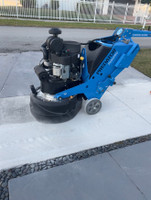
Step 4: Mechanically Profile the Concrete
Mechanical profiling is the preferred and most reliable method for epoxy adhesion.
Recommended methods include:
• Diamond grinding
• Shot blasting
The goal is to achieve a Concrete Surface Profile (CSP) of 2–3, which provides the proper surface texture for epoxy coatings.
Acid etching alone is not recommended for most professional epoxy systems, as it does not consistently open concrete pores.
Step 5: Thoroughly Clean and Remove Dust
After grinding or blasting:
• Vacuum using an industrial HEPA vacuum
• Remove all dust and debris
• Ensure no loose particles remain
Even fine dust can interfere with epoxy bonding.
Step 6: Perform a Moisture Test
Excess moisture vapor can cause epoxy failure.
Common moisture tests include:
• Plastic sheet test (basic screening)
• Calcium chloride test
• Relative humidity (RH) probe testing
If moisture levels are high, a moisture-mitigating epoxy primer may be required before coating.
Step 7: Apply Primer (If Required)
Many epoxy systems require a primer to:
• Improve adhesion
• Seal porous concrete
• Reduce outgassing and pinholes
Apply the primer evenly and allow it to cure according to manufacturer guidelines before applying the epoxy coating.
Step 8: Final Inspection Before Coating
Before applying epoxy, confirm that the floor is:
• Clean and dust-free
• Properly profiled
• Fully dry
• Free of contaminants
Once these conditions are met, the surface is ready for epoxy application
Common Concrete Prep Mistakes to Avoid
• Skipping mechanical grinding
• Coating over moisture-laden concrete
• Leaving dust after surface prep
• Applying epoxy over sealers or curing compounds
• Rushing prep to save time
Proper preparation may take longer, but it ensures maximum epoxy adhesion and long-term performance.
Conclusion
A high-quality epoxy coating is only as good as the surface beneath it. By following these proper concrete preparation steps—cleaning, repairing, profiling, and testing—you create the ideal foundation for a durable, professional-grade epoxy floor that lasts for years.